
GBP/USD1.2734 0.0042|EUR/USD1.0851 0.0019|GBP/EUR1.1736 0.0028|DXY104.21 0.18|FTSE 1008,224.31 18.42|GBP/USD1.2734 0.0042|EUR/USD1.0851 0.0019|GBP/EUR1.1736 0.0028|DXY104.21 0.18|FTSE 1008,224.31 18.42|
Blog

Technical insight for
analytical laboratories.

Maintenance practices, component engineering and international market notes — for QC, R&D and stability teams and the manufacturers who serve them.

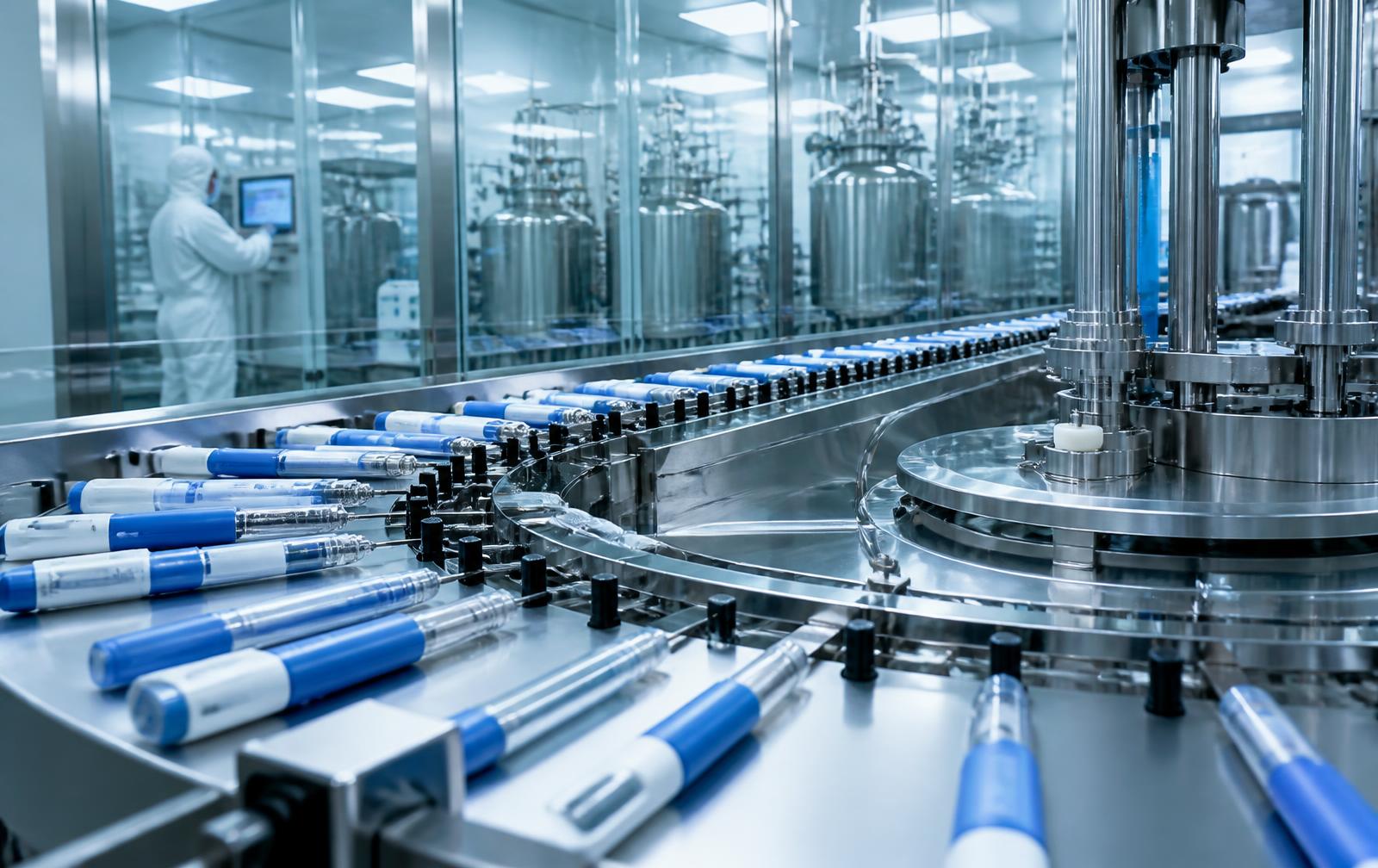
Automated pharmaceutical filling line producing semaglutide injection pens in a clean room
Pharmaceutical Industry·Regulatory·Aug 14, 2026

After Patent Expiry, the Real Race for Semaglutide Begins

Anvisa has already approved six synthetic semaglutide pens since the patent expired in March 2026. Eduardo Rocha Bravim explains why the next dispute will be decided inside the plant — production capacity, process control, raw material qualification, robust analytical methods, batch-to-batch consistency and a supply chain able to hold strict specifications at scale.

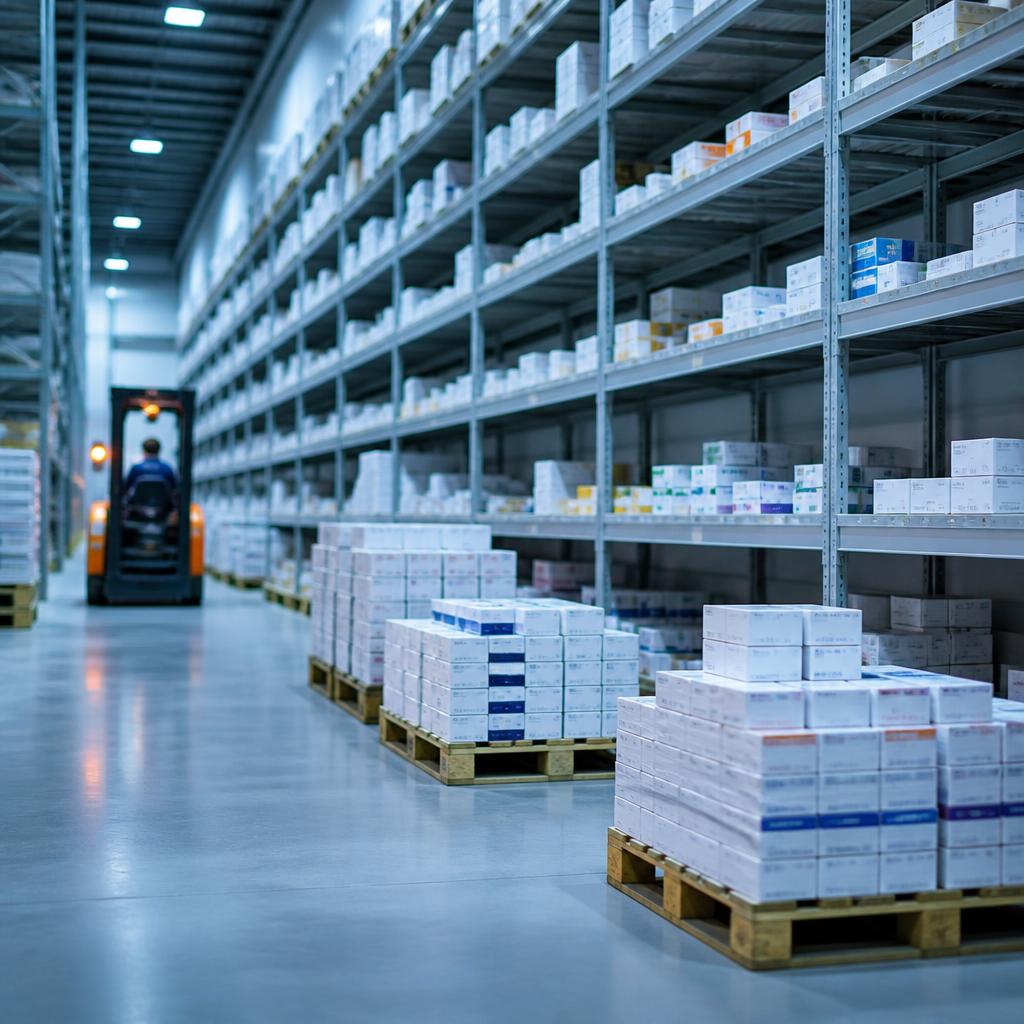
Pharmaceutical distribution warehouse with partially empty medicine shelves and pallets of boxes
Supply Chain·Public Health·Aug 9, 2026

Why Do Some Medicines Disappear from Pharmacies? Understanding the Shortage Chain

Manufacturing, logistics, suppliers and planning all influence medicine availability. In this interview, Eduardo Rocha Bravim explains why a disruption can begin long before the production line — in a critical input, a logistics restriction, a regulatory change or a geopolitical conflict — and how supplier qualification, predictive analytics and real-time integration between supply chain, production, quality control and regulatory affairs reduce the risk of shortages.

Pharmaceutical raw material drums on a pallet at an international container port
Supply Chain·Pharmaceutical Industry·Aug 6, 2026

Tariffs, Trade War and the Impact on Medicine Production

Escalating trade disputes have put global supply chain security back at the centre of the debate — and the pharmaceutical sector is among the most exposed. With China accounting for 73.7% of the active pharmaceutical ingredients imported by India between 2024 and 2025, Eduardo Rocha Bravim examines how tariffs affect raw materials, analytical instrumentation, quality control, regulatory qualification and operational planning, and why resilience must be engineered rather than improvised.

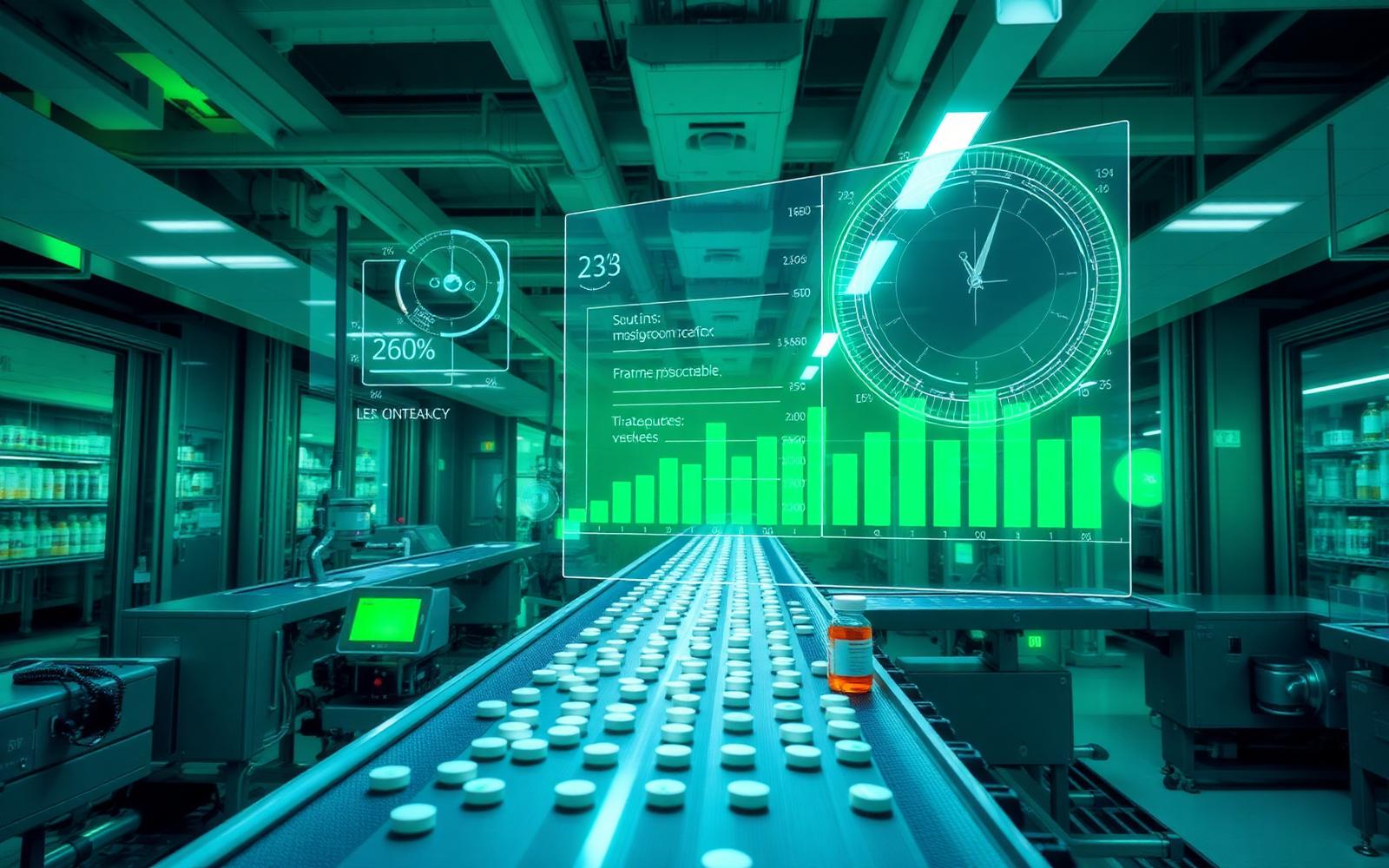
AI data center infrastructure connected to a pharmaceutical analytical laboratory
Innovation·AI·Aug 4, 2026

The Trillion-Dollar AI Infrastructure Race: What It Means for Pharma and Life Sciences

Microsoft, Meta, Oracle, Amazon and Alphabet have disclosed roughly US$1.16 trillion in future commitments tied largely to data centers and AI infrastructure — almost four times what already appears as lease obligations on their balance sheets. What this capital cycle means for drug discovery, regulatory operations, GMP manufacturing, AI validation, data sovereignty and the rise of specialized pharmaceutical platforms.

Pharmacist checking stocked medicine shelves in a pharmacy
Supply Chain·Pharmaceutical Industry·Jul 30, 2026

How to Prevent Medicine Shortages in Pharmacies: The Challenge of the Pharmaceutical Supply Chain

Europe, North America and Oceania have all faced shortages of antibiotics, chronic disease treatments, oncology drugs and mental health medicines. Behind every product on the shelf lies a highly complex chain — from active pharmaceutical ingredients and manufacturing to quality control, regulatory requirements, international logistics and distribution — where any disruption can compromise supply. Eduardo Rocha Bravim discusses how planning, supplier diversification, demand forecasting, digital traceability and closer coordination between industry, distributors and pharmacies can make the chain more resilient and keep treatments available to patients.

Sustainability and Quality in Pharmaceutical Manufacturing
Sustainability·Quality·Jul 23, 2026

Sustainability and Quality: Two Strategic Priorities Moving Together

For many years, sustainability initiatives in the pharmaceutical industry were primarily associated with environmental responsibility. Today, the scenario has changed. Reducing waste has become a strategic objective that directly supports product quality, operational efficiency, regulatory compliance, and business performance. Modern pharmaceutical manufacturers are increasingly investing in digital technologies, process monitoring, predictive maintenance, and data-driven decision-making to minimize material losses while maintaining the highest quality standards. Beyond reducing costs, waste prevention contributes to more resilient manufacturing processes, improved supply chain performance, and stronger compliance with Good Manufacturing Practices (GMP). As regulatory expectations continue to evolve, sustainability should no longer be viewed as a separate initiative. It is becoming an integral part of quality management and operational excellence across the pharmaceutical industry.

002 · Maintenance6 min

The Importance of Preventive Maintenance in HPLC Systems

Preventive maintenance is the most cost-effective lever for instrument uptime, method reproducibility and audit readiness in analytical laboratories.

MAY 2026
003 · Detectors5 min

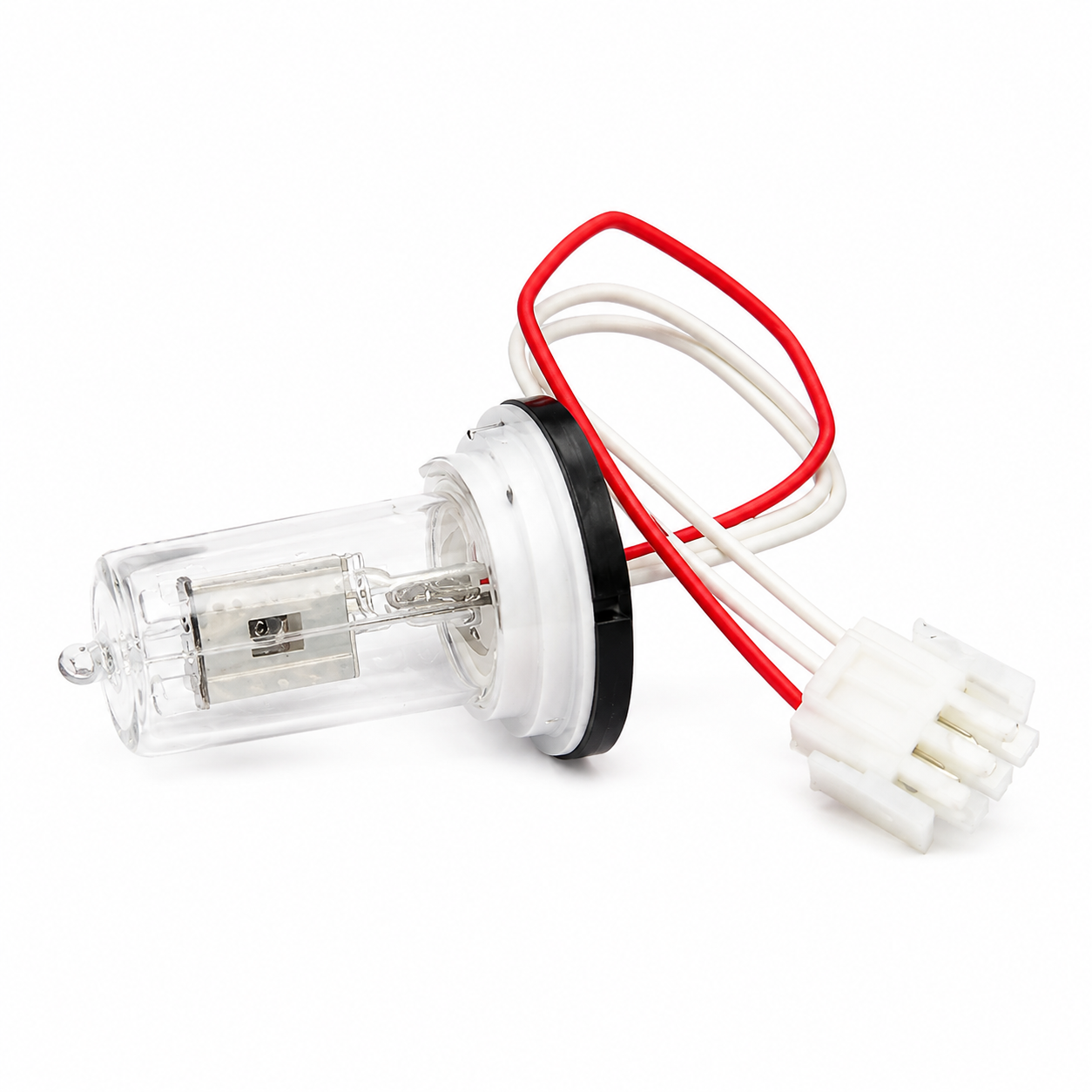
When Should a Deuterium Lamp Be Replaced?

Practical indicators — intensity drift, baseline noise and lamp hours — that signal when a D2 lamp has reached the end of its useful life.

MAY 2026
004 · PM Kits4 min

How PM Kits Reduce Laboratory Downtime

Kit-based maintenance shortens engineer time, ensures part compatibility and produces audit-ready documentation by default.

APR 2026
005 · Components7 min

OEM vs Compatible Laboratory Spare Parts

A practical comparison of OEM and compatible spare parts — including performance, traceability and total cost of ownership.

APR 2026
006 · Lifecycle7 min

Analytical Instrument Lifecycle Management

Managing acquisition, qualification, maintenance, upgrades and retirement to maximize the useful life and ROI of analytical instruments.

MAR 2026
007 · International8 min

Expanding Scientific Brands Across the Americas and Europe

What international manufacturers need to consider when entering scientific equipment markets across the Americas and Europe.

MAR 2026