

Why Do Some Medicines Disappear from Pharmacies? Understanding the Shortage Chain
Manufacturing, logistics, suppliers and planning all influence medicine availability — and integration between departments, combined with technology, helps reduce the risk of shortages.
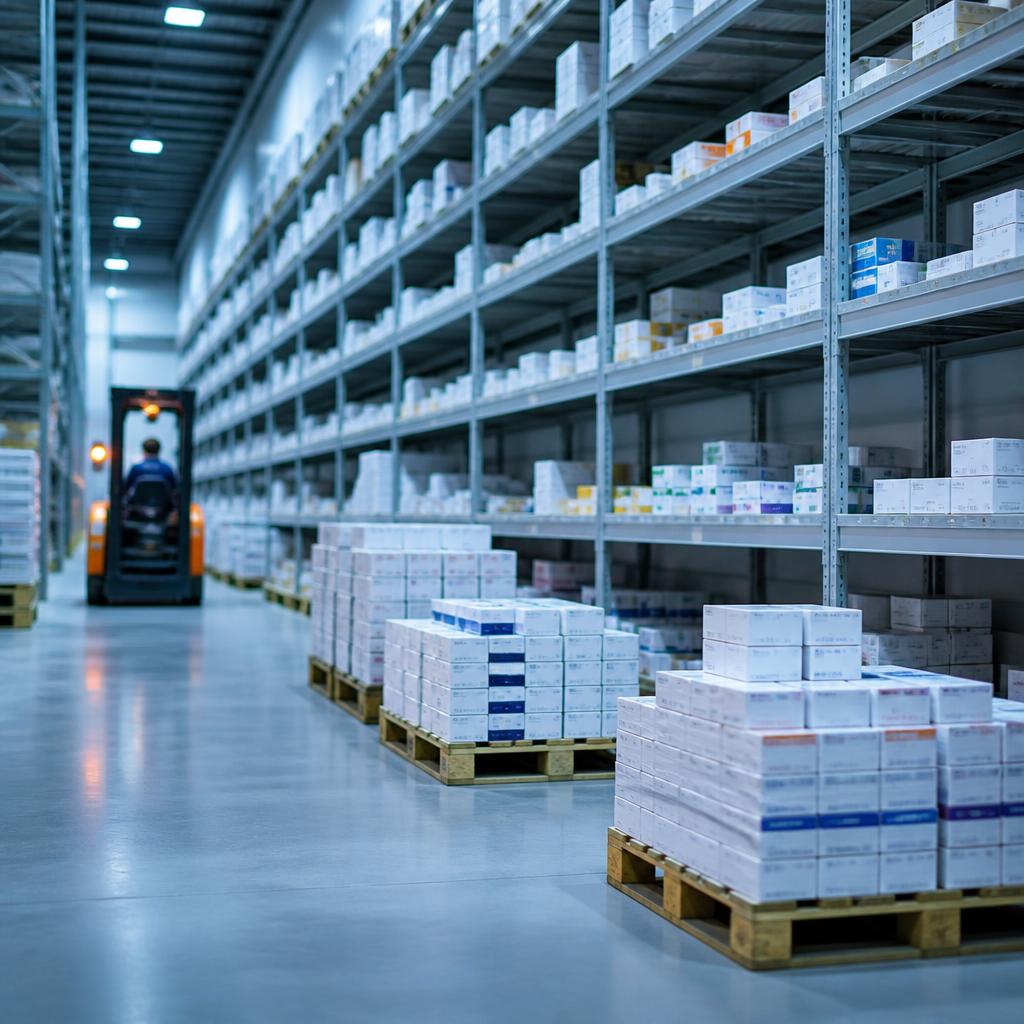
From factory to pharmacy: the challenges of preventing medicine shortages across the Americas and worldwide.
Medicine shortages have become an increasingly frequent challenge in different parts of the world. In recent years, countries across Europe, North America and Oceania have struggled to maintain the supply of antibiotics, treatments for chronic conditions, oncology therapies and mental health medicines. The scenario exposes the complexity of the pharmaceutical chain and reinforces the need for planning to ensure products reach patients exactly when they are needed.
Although consumers only notice whether a medicine is present on the shelf, every product travels a long path before arriving at pharmacies and hospitals. The chain involves the manufacturing of pharmaceutical inputs, industrial production, quality control, regulatory requirements, international logistics and distribution. A failure at any one of these stages can compromise supply.
According to Eduardo Rocha Bravim, a specialist in pharmaceutical biotechnology, analytical instrumentation, quality control and scientific supply chain with international experience, the industry has come to understand that risk is not confined to the factory floor.
"Today the industry knows that a disruption can begin long before the production line. It can arise from the unavailability of a critical input, logistics restrictions, regulatory changes or even geopolitical conflicts capable of compromising the international transport of raw materials. That is why risk management has become as important as production itself."
Dependence on Few Suppliers Amplifies Risk
Another concern for the industry is the concentration of global production of several pharmaceutical inputs among a small number of approved manufacturers. That dependence makes supply far more vulnerable to unexpected events.
To reduce this exposure, specialists advocate qualifying alternative suppliers, continuously monitoring production capacity and preparing contingency plans that allow a rapid response to any interruption.
Industrial planning is equally decisive. Unlike other sectors, medicine manufacturing requires highly controlled processes, technical validations, laboratory analyses and regulatory releases that can take months. That makes more accurate demand forecasting and efficient inventory management indispensable.
Technology Helps Anticipate Problems
Tools based on data analysis and predictive intelligence are gaining ground in the pharmaceutical industry because they make it possible to identify bottlenecks, anticipate demand fluctuations and adjust production schedules before a supply disruption occurs.
According to Bravim, however, results depend on integration between different areas of the company.
"Supply chain, production, quality control and regulatory affairs cannot operate as isolated departments. When these areas share information in real time, decision-making becomes faster, reducing risk and increasing the capacity to respond to any interruption."
Securing Supply Means Protecting Health
For specialists, strengthening the pharmaceutical chain means investing in planning, innovation, risk management, quality control and predictability at every stage of production.
These measures help ensure that millions of patients maintain continuous access to the medicines they need, even in the face of the logistical, regulatory and geopolitical challenges affecting the sector on a global scale.
Interview with Eduardo Rocha Bravim, specialist in pharmaceutical biotechnology, analytical instrumentation, quality control and scientific supply chain, with international experience. This is an English adaptation of an article originally published by Âncora1 (journalist Luis Potenza, MTb 37.357).