

Deuterium Lamps
Reliable UV light sources for HPLC, UHPLC, and UV-Vis analytical systems
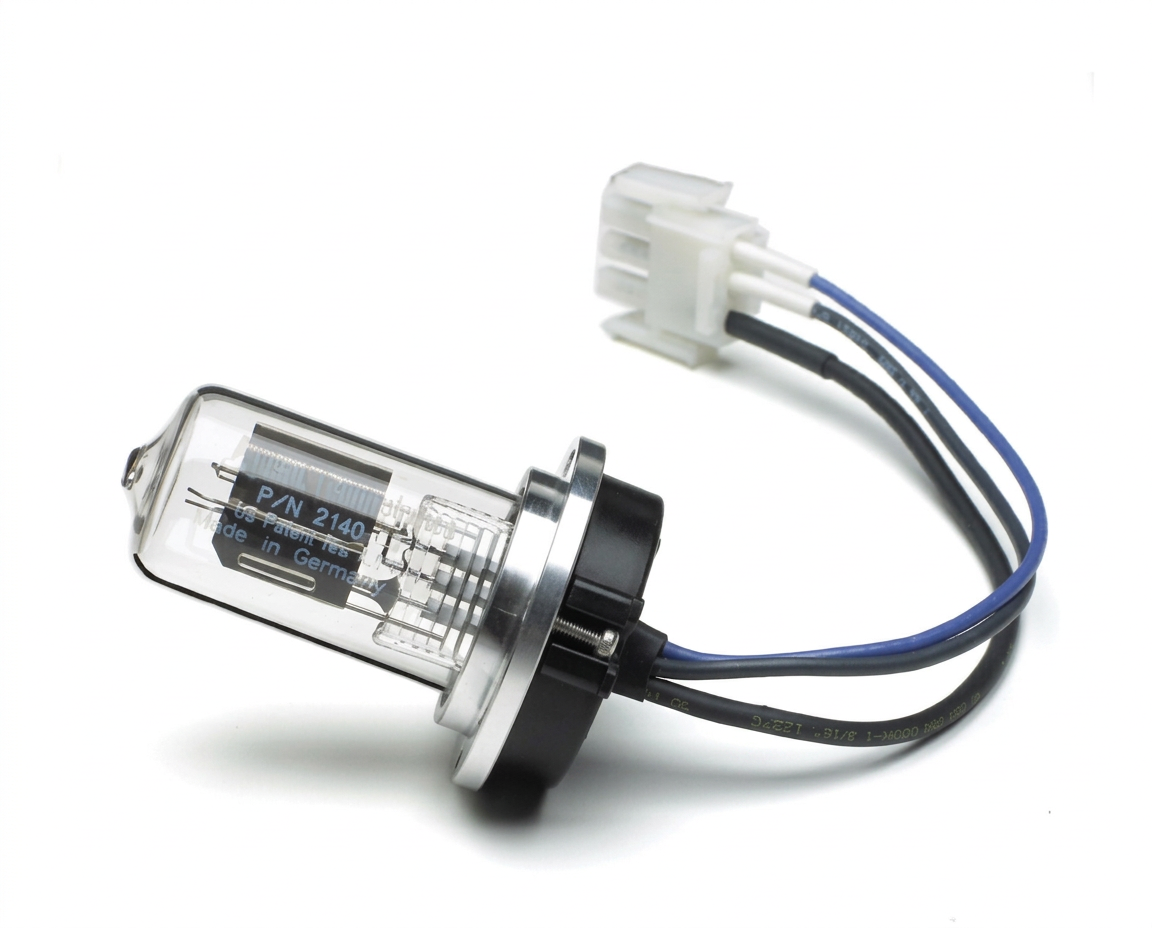
Deuterium lamps are widely used as ultraviolet light sources in HPLC detectors, spectrophotometers, and other analytical instruments requiring stable UV performance.
Advanced Life Sciences supplies deuterium lamps for a broad range of chromatography and spectroscopy platforms, supporting laboratories that require reliable replacement components and consistent instrument performance.
Deuterium lamps are designed to provide stable UV output over extended operating periods. Depending on the lamp design, operating conditions, and instrument configuration, service life can commonly reach approximately 1,000 to 2,000 hours or more.
Deuterium Lamps for HPLC and UV-Vis Systems
We provide deuterium lamps compatible with analytical platforms from major manufacturers, including:
- Waters
- Agilent Technologies
- Hitachi
- Shimadzu
- Thermo Fisher Scientific
- JASCO
- PerkinElmer
- Other chromatography and spectroscopy platforms
Applications include HPLC and UHPLC detectors, diode array detectors (DAD), variable wavelength detectors (VWD), UV detectors, and UV-Vis spectrophotometers.
Original and Compatible Replacement Lamps
Depending on the application and instrument model, Advanced Life Sciences can supply both original manufacturer lamps and high-quality compatible alternatives.
Selecting the correct lamp requires consideration of the instrument model, lamp configuration, electrical characteristics, mounting system, and optical alignment requirements.
For many modern analytical instruments, lamps are supplied pre-aligned or mounted in dedicated holders, simplifying installation and helping maintain consistent optical performance.
When Should a Deuterium Lamp Be Replaced?
Although deuterium lamps are designed for long operating life, their UV output gradually decreases during use.
Replacement may be required when the instrument shows:
- Reduced UV intensity
- Increased detector noise
- Unstable baseline
- Difficulty during lamp ignition
- Failed lamp energy tests
- Reduced analytical sensitivity
- Recommended operating-hour limits reached
The actual replacement interval depends on instrument usage, operating conditions, and the specifications established by the instrument manufacturer.
How a Deuterium Lamp Works
A deuterium lamp generates ultraviolet radiation through an electrical discharge within deuterium gas.
When the lamp is energized, an electrical discharge excites the gas and produces a continuous UV spectrum suitable for analytical measurements. Specialized UV-transmitting materials are used in the optical window to allow ultraviolet radiation to reach the detector system efficiently.
Over time, normal lamp aging can reduce light transmission and UV intensity, which may eventually affect detector performance and analytical results.
Proper Handling
Deuterium lamps should be handled carefully during installation and replacement.
The optical window should not be touched directly, since fingerprints, oils, and contamination can reduce UV transmission and affect lamp performance. Appropriate safety procedures should also be followed when working with UV light sources.
Find the Correct Lamp for Your Instrument
Advanced Life Sciences can help identify the correct deuterium lamp based on your instrument manufacturer, model, detector, or part number.
Contact us with your equipment information or part number, and our team can assist you in identifying the appropriate replacement lamp.